The holidays bring a lot of things we enjoy, gatherings, treats, and cozy meals. But for many people, this season can also lead to changes in how the body feels, especially after big meals or long weekends of eating differently than usual. That’s when some of us start thinking about large intestine cleansing. Not because we’re sick, but because our digestion isn’t acting like it normally does.
Whether it’s extra bloating, slower bathroom habits, or that heavy feeling after one too many slices of pie, this time of year tends to bring digestion front and center. Late November, as we move toward the end of the year, offers a natural moment to pause and check in with how our gut feels, and decide if it could use some support.
Why Eating Habits Shift During the Holidays
Holiday eating doesn’t usually look like the way we eat most of the year. At home in Rockwall or away visiting friends or family, a lot of our usual routines go out the window.
• We eat heavier meals, more rich dishes, and lots of comforting sweets
• Mealtimes aren’t always the same, and we may snack more throughout the day
• Water intake often drops while sugar and processed foods rise
When all that switches up, it can take a toll. Our bellies might feel tight or full long after meals. Some people notice their digestion slows down, or they don’t feel like they’re “clearing out” as often as usual. Others mention low energy or a foggy head that sticks around longer than expected.
Sometimes these shifts aren’t too noticeable right away. But by the time Thanksgiving leftovers are gone, our bodies might already feel backed up or just off-balance. And that’s when we start noticing things we normally wouldn’t.
What the Large Intestine Does and Why It Matters
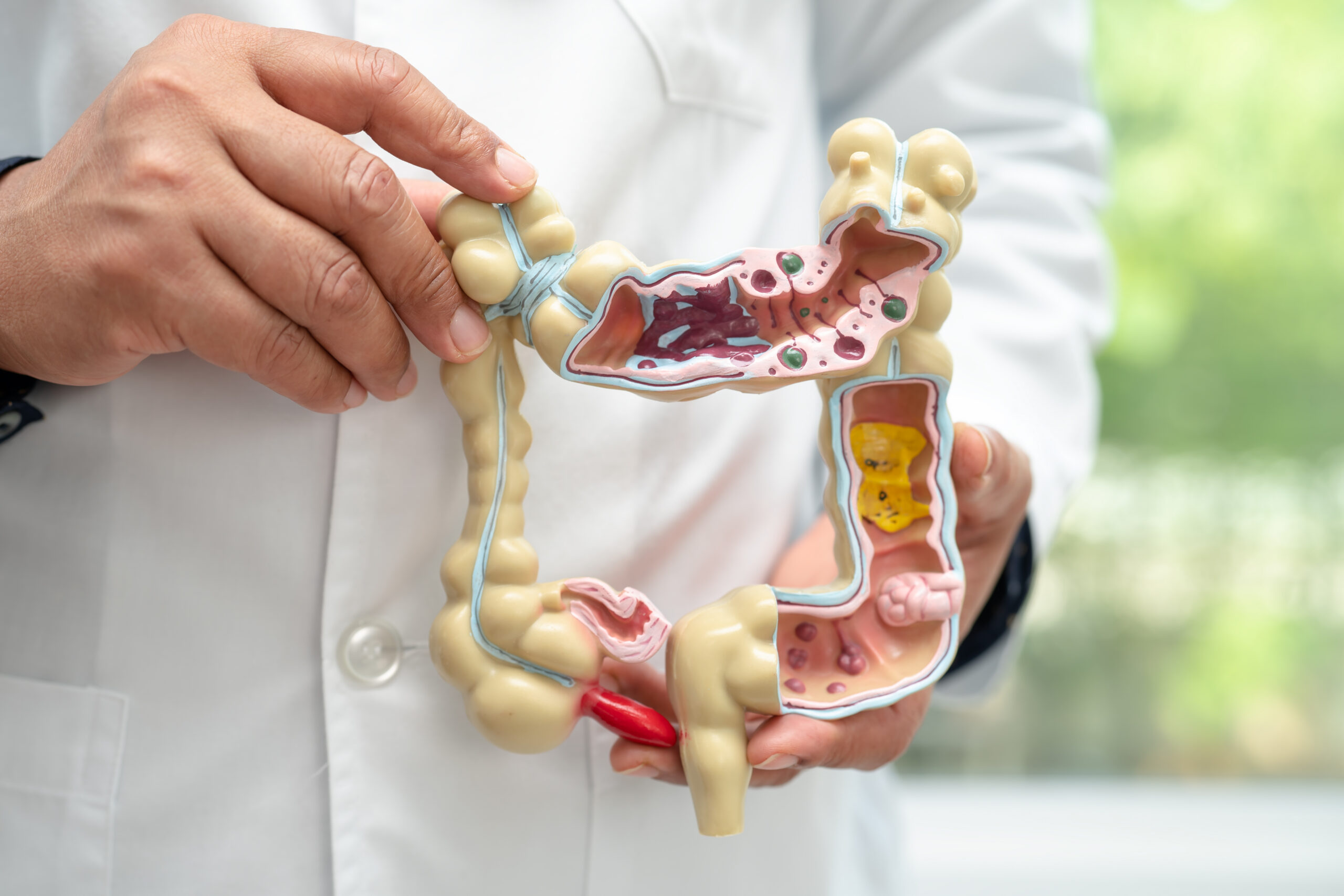
The large intestine plays a big role in how we feel day to day, even if we don’t think about it much. Its main job is to move waste out of the body while drawing water and a few nutrients from the leftovers our small intestine doesn’t use.
When digestion moves like it should, most of us don’t really notice it. But when things slow down, even a little, it can show up in ways that surprise us. We might feel:
• Bloated or puffy, especially in our lower belly
• More tired than usual, even with plenty of sleep
• A little foggy or irritable without knowing why
Late fall makes these signals easier to miss. Shorter days and chilly weather can already make us sluggish. Add heavier food and less movement, and the body can start to feel overloaded, often beginning with the gut.
That’s why it helps to know what the large intestine is meant to do. When it’s not keeping up, the rest of the system slows down too.
When People Start Thinking About Large Intestine Cleansing
Right after the big fall holidays is when we often hear people say their body feels a little stuck. Not sick, just not quite right. They’re feeling heavier, moving slower, or noticing the regular rhythm of their digestion has changed. That’s when the idea of large intestine cleansing comes up.
At RHEO Wellness, we use closed system colon hydrotherapy, which gently introduces filtered, temperature-controlled water into the large intestine to help clear out waste. Our process is led by trained professionals in a comfortable and private setting.
It’s not about quick fixes or jumping into extreme cleanses. It usually starts with a simple goal, to feel lighter, clearer, or more regular again before December gets too busy. Clearing out that backed-up feeling helps some people sleep better, focus more easily, and enjoy food again without discomfort.
The end of November in places like Rockwall can act as a natural reset point. Gratitude dinners are done, and the long stretch of winter hasn’t fully kicked in. It’s a time when many people pause and say, “What does my body need right now?” For some, the answer leads to gentle digestive support.
What People Often Notice After Lightening the Load
When people give their bodies a chance to slow down and clean out, they often notice more than just smoother digestion. Some common changes include:
• Feeling lighter, for both the belly and the mind
• Going to the bathroom more regularly without straining
• Less bloating or cramping during or after meals
• Clearer thinking and better sleep
These effects can be subtle, but they matter. They remind us that the gut and brain are deeply connected. When the large intestine isn’t weighed down by leftover waste, the whole body can settle.
We’ve also noticed people tend to become more tuned into digestion when the seasons change. Something about colder weather and shorter days makes it easier to feel where things are out of balance. Many use this time to check in with how things are moving, or not moving, and take a few small steps to support what their body is already trying to do.
Slowing Down and Listening to the Body After Holiday Meals
The holidays move fast, and it’s easy to push through without much space to notice how we feel. But after a big meal or a full weekend of rich foods, our bodies often send soft messages. A little slowness, a deep breath, or a quiet moment between meals is sometimes all it takes to hear them.
This time of year gives us the perfect window to pause. Not with guilt, and not because something’s wrong, but simply because the body gives us clues when it needs a reset. Large intestine cleansing isn’t for everyone, but recognizing when digestion feels off is a helpful place to begin.
Between holiday events, winter shopping, and shorter daylight hours, we tend to focus outward. But tuning in, even briefly, can help us move through the season a little more clearly, a little more comfortably, and sometimes a lot more at ease.
Moving Forward With Comfort and Balance
The holidays can leave your digestive system feeling sluggish, but simple steps like movement, hydration, and extra rest can make a difference. For those in Rockwall seeking additional support, we often recommend exploring large intestine cleansing to help your body get back on track. At RHEO Wellness, we believe your body knows when it needs care, so when you’re ready to respond to those signals, reach out to us.