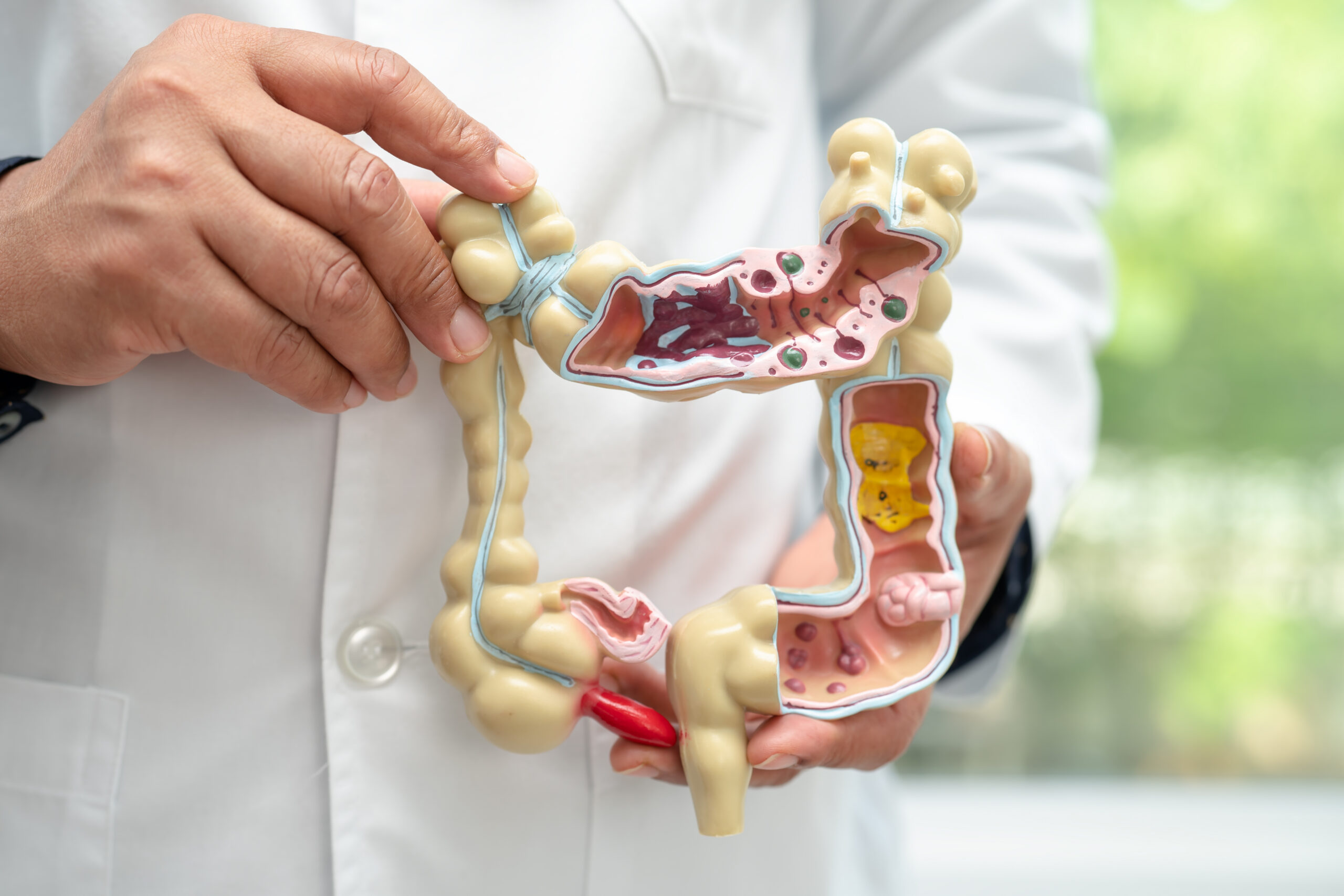
As the weather cools down in Rockwall, it’s common to become a little more aware of how our bodies feel. Fall tends to slow our pace a bit, and with that slower rhythm, people start noticing things like digestion and how their body responds to different foods or routines. Supporting colonic health and wellness doesn’t have to involve major changes or strict plans. It’s often just about small, thoughtful habits that work quietly in the background of daily life. With a few regular choices, we can help the digestive system feel more balanced and less sluggish as the seasons shift.
Here are some simple ways to support your digestive comfort this fall without overhauling your lifestyle.
Drink More Water Without Overthinking It
One of the easiest things we can do for our digestion is drink more water. It helps keep things moving through the colon and supports the body’s natural rhythm. That said, hydration can be tricky when fall rolls around. The heat fades, and we often forget we still need fluids even without the summer sun pushing us to drink more.
Some tips that can help:
• Keep a refillable water cup or bottle nearby through the day
• Start with a glass of water first thing in the morning before anything else
• Sip during meals so hydration happens alongside eating
The goal isn’t to track every ounce. It’s more about noticeable habits. If water feels boring or hard to remember, try flavoring it with a slice of lemon or berries. Warm herbal teas can count too, and they feel especially comforting in cooler weather.
Eat Fiber That Fits Into What You Already Like
Fiber plays a big role in digestion, but that doesn’t mean we need to overhaul how or what we eat. The key is finding fiber that slides easily into meals we’re already making and enjoying. That helps avoid the bloated or too-full feeling that sometimes happens with big, sudden changes.
Here are a few low-effort shifts to try:
• Sprinkle chia seeds or ground flaxseed into smoothies or yogurt
• Add apple slices or berries to breakfast oatmeal or cereal
• Toss greens into pasta, tacos, or wraps instead of building full salads
Gentle fibers usually feel better than heavy ones, especially if your body is still adjusting. Start small and check in with how your stomach feels. It can take a few tries, but slow and steady works better than forcing too much change at once.
Get Moving Without Starting a Workout Plan
Movement helps your digestion as much as any food, but that doesn’t mean joining a gym or planning around workouts. Just moving your body here and there through the day makes a big difference, especially when you’re already feeling sluggish or bloated.
Think manageable instead of structured:
• Short walks after lunch or dinner, even just around the block
• Gentle stretches when you wake up or before bed
• Light chores like cleaning, gardening, or tidying up
When digestion slows down, even a few minutes of physical activity helps wake the system up. Some people notice they feel more relaxed and less tight in the belly after movement. It doesn’t have to make you sweat to count.
Make Space for Rest and Routine
It’s easy to overlook how much sleep and daily rhythm affect digestion. Late nights, skipped meals, or last-minute eating can throw off the body’s timing. Over time, those habits can lead to slower digestion or irregularity. The good news is that small shifts to sleep or eating patterns can help a lot.
Some simple changes may include:
• Going to bed a little earlier so your body has time to recharge
• Eating meals around the same time each day, even on weekends
• Limiting late-night snacks that might disrupt sleep or digestion
Colonic health happens best when the body has time to rest and knows when to expect food. A short nighttime routine or a steady breakfast schedule might feel like no big deal, but they offer real support.
Talk It Out with a Wellness Professional
When something feels off for a while or you’re unsure what your body needs, a wellness check-in can help. It’s not about solving something huge. It’s about feeling supported, heard, and getting ideas that match you, not someone else’s plan. Digestive shifts can be tricky since they’re tied to so many other parts of life, like stress, sleep, and even emotional ups and downs.
At RHEO Wellness, we offer closed-system colon hydrotherapy with guidance from trained providers using FDA-registered equipment, along with functional testing to help uncover hidden reasons for digestive discomfort. Sometimes, small steps aren’t enough on their own. That’s when a professional might suggest additional tools like colon hydrotherapy or testing to get a clear picture of what’s affecting your gut health. Having a guide through that process can make the path easier and help you feel confident that your plan supports you at the right level.
Feel Better Without Doing Too Much
Colonic health and wellness doesn’t have to come from strict diets or complicated routines. Most of the time, the basics are enough. Drinking enough water, moving a little more, getting steady rest, and eating foods that work for your body can all play a part. When those habits are put together over time, your body often responds with more comfort and ease.
You don’t have to do everything at once. And you don’t need to figure it all out alone. Colonic health tends to improve with care, attention, and honest checking in. That’s why finding a routine that works for you, and adjusting it a little as the seasons change, can keep you feeling more balanced without adding stress to your day.
Residents in the Rockwall area looking for support with digestion can count on us for practical, personalized guidance. Whether you’ve already started making small changes or are unsure how to begin, we’re ready to help you find what works best. Read more about how we support colonic health and wellness through gentle, professional care, and reach out to RHEO Wellness today to start the conversation.